How AI-Powered Choice Architecture Transforms Hospitality Decision-Making
AI measurement systems generate better choices—not just better decisions—by surfacing options, predicting outcomes, and personalizing recommendations for hospitality operators.
Question answered in this article:
How AI-Powered Choice Architecture Transforms Hospitality Decision-Making
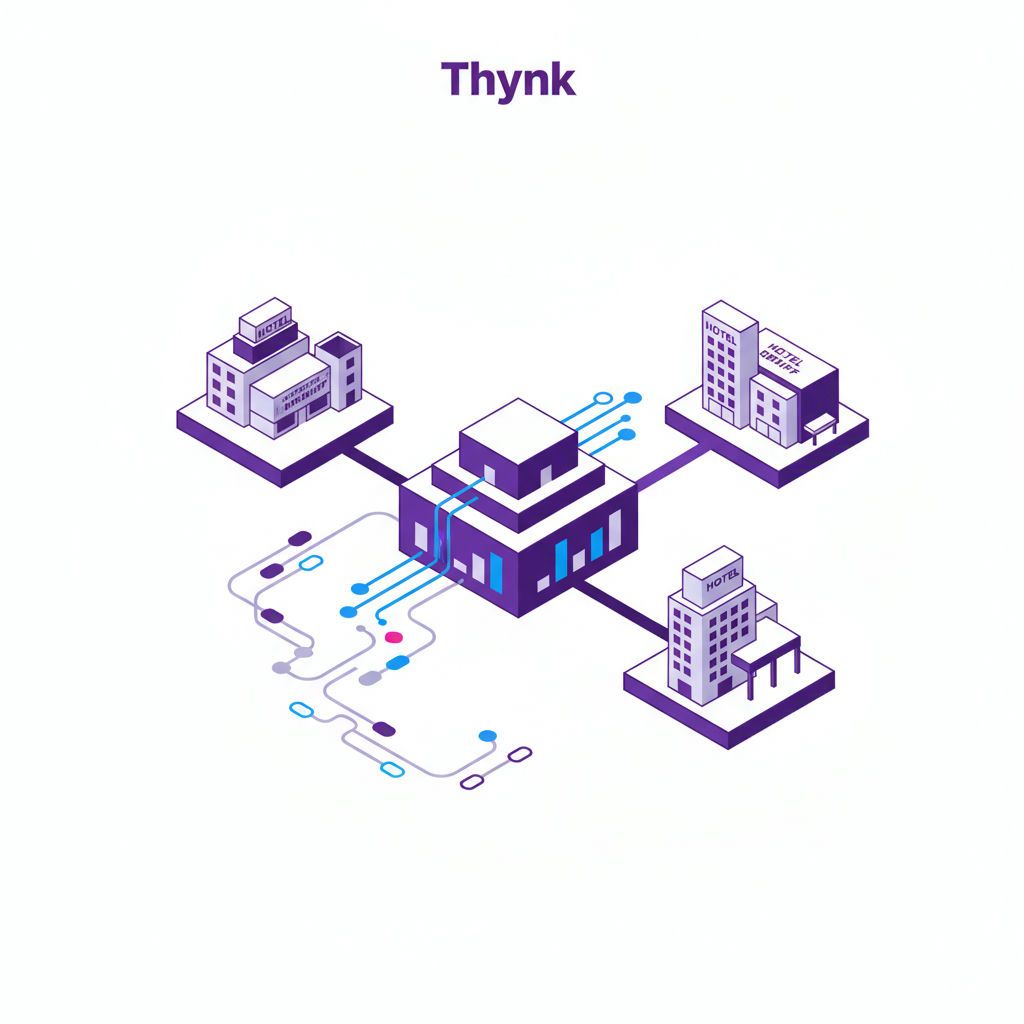
How AI-Powered Choice Architecture Transforms Hospitality Revenue Analytics
AI-driven revenue analytics fundamentally change how hospitality operators make strategic decisions by generating better choices—not just measuring outcomes. For hotels, convention centers, and venues managing complex group business, intelligent choice architecture surfaces hidden revenue opportunities, highlights pipeline interdependencies, and suggests optimization pathways that traditional dashboards cannot deliver. This represents a shift from reactive reporting to proactive revenue strategy generation.
From Static Dashboards to Dynamic Revenue Analytics
Traditional hospitality KPI dashboards measure occupancy rates, RevPAR, and group pickup percentages—but they cannot generate the foresight needed to create superior strategic options. Generative AI and predictive systems transform revenue analytics from backward-looking reports into forward-looking choice engines that proactively suggest what could happen across multi-property portfolios, group sales pipelines, and MICE operations.
For hospitality operators, this means moving beyond reactive measurement to proactive choice generation. A Salesforce-native CRM with Einstein Trust Layer can analyze years of RFP patterns, account hierarchies, and meeting space utilization to suggest novel approaches to group proposals—options that human sales teams might never consider independently. This intelligence draws from Thynk's Channels capability for multi-property distribution and Sales/CRM systems for pipeline intelligence.
Modern revenue analytics systems don't just report what happened—they generate actionable choices about what should happen next.
Intelligent Choice Architecture Across the Hospitality Technology Stack
Group Sales and Revenue Management
AI-enhanced revenue analytics transform how hotel sales teams evaluate group opportunities by presenting multiple strategic paths rather than single "best" recommendations. Multi-property proposal optimization analyzes room-block availability across properties to suggest creative distribution strategies that maximize portfolio yield through intelligent channel management. Account hierarchy intelligence surfaces dormant corporate relationships or identifies cross-sell opportunities within existing account structures through relationship mapping.
Predictive lead scoring presents sales directors with ranked options for team resource allocation based on conversion probability and revenue potential. These capabilities integrate seamlessly with PMS platforms including Opera, Mews, Stayntouch, and Protel to ensure revenue analytics operate on real-time inventory and booking data.
When extended-stay operators or luxury chains deploy these systems, they gain unprecedented visibility into which group opportunities truly deserve pursuit—and which merely consume scarce sales resources.
Convention Center and Venue Operations
For convention centers managing complex event portfolios, intelligent choice architectures provide revenue optimization through operational intelligence. Space utilization scenarios suggest alternative meeting room configurations that increase capacity and revenue per square foot without capital investment. Exhibitor engagement paths recommend personalized communication strategies based on historical exhibitor behavior patterns that drive account expansion.
Event scheduling optimization presents event coordinators with multiple timeline scenarios that balance space constraints, labor availability, and revenue targets across the Group/MICE capability stack. A major metropolitan convention center might discover that Tuesday-Thursday bookings with specific exhibitor profiles generate 23% higher revenue per square foot than traditional weekend configurations—intelligence that traditional reporting systems would never surface.
These insights enable venue operators to make strategic choices about which business to pursue aggressively versus which to price at premium rates.
Sales Team Empowerment Through Revenue Intelligence
Intelligent revenue analytics democratize strategic thinking across sales organizations. A Salesforce-native platform with Agentforce agents can present CSMs with bespoke RFP response recommendations based on real-time analysis of client behavior, contract history, and competitive positioning to increase group conversion rates. It guides sales managers toward coaching interventions by identifying which team members would benefit most from specific training based on pipeline velocity and conversion patterns.
The system empowers sales associates with personalized upsell recommendations rooted in predictive analytics of guest preferences and booking patterns that drive revenue per booking. These capabilities transform how hospitality organizations approach sales velocity optimization across their entire commercial operation.
Rather than waiting for quarterly performance reviews, frontline sales professionals receive daily intelligence about which actions will generate the highest revenue impact.
Rethinking Hospitality Productivity Through Revenue Analytics
Intelligent choice architectures fundamentally reshape how hospitality operators measure productivity. Rather than counting outputs (meetings held, proposals sent, BEOs processed), these systems measure contribution to outcomes (group conversion rates, portfolio revenue lift, guest satisfaction improvements). For example, a multi-property hotel group using Salesforce with PMS parity (Opera, Mews, Stayntouch, or Protel integration) can measure the revenue impact of different sales team collaboration patterns—not just the number of collaborative touchpoints.
This shifts productivity measurement from activity tracking to strategic impact assessment through Operations/Finance/Analytics capabilities. A sales associate who generates three high-conversion group proposals may contribute more revenue than a colleague who generates ten low-quality RFP responses—but traditional metrics would reward the higher volume.
This outcome-focused approach to revenue analytics enables hospitality operators to understand which activities truly drive portfolio performance versus which merely create the appearance of productivity.
Decision Rights and Organizational Design for AI-Driven Revenue Analytics
As AI systems become more sophisticated choice architects, hospitality operators must address critical questions about decision rights and governance. When should a sales director override an AI-generated group pricing recommendation based on revenue analytics? How do intelligent choice architectures change approval workflows for multi-property proposals? What level of autonomy should venue coordinators have when AI suggests unconventional event configurations that optimize revenue?
A Salesforce-native platform provides the governance infrastructure to address these questions through configurable approval processes, audit trails, and role-based access that evolve with organizational needs. The Einstein Trust Layer ensures that revenue analytics recommendations maintain data security and compliance while delivering strategic intelligence.
Global hotel groups often establish tiered approval frameworks where AI recommendations within certain confidence thresholds and revenue ranges require minimal human review—while novel or high-stakes choices trigger collaborative decision processes.
The Path Forward: Co-Creation, Not Replacement
The future of hospitality decision-making isn't about AI agents replacing human expertise—it's about co-creating better choices through intelligent revenue analytics systems. Hotels, convention centers, and venues that embrace this paradigm will generate more creative group sales strategies by exploring AI-surfaced options rooted in predictive revenue analytics. They'll improve portfolio revenue performance through predictive choice modeling across channels.
These organizations empower frontline teams with personalized decision support that respects their expertise while providing institutional intelligence. They measure contribution to strategic outcomes rather than operational outputs through outcome-based revenue analytics.
For hospitality operators committed to revenue growth in an increasingly complex market, the question isn't whether AI will transform decision-making—it's how quickly they can implement intelligent choice architectures that generate the options today's competitive landscape demands. Thynk's approach—built on Salesforce with native integration across the entire hospitality capability stack—provides the foundation for this transformation.
By connecting Channels, Sales/CRM, Group/MICE, Operations/Finance/Analytics, and AI/agents capabilities, Thynk enables revenue analytics that drive measurable business outcomes.
Key Takeaways for Hospitality Leaders
Shift measurement focus from outputs to outcomes: Move beyond counting proposals sent to measuring revenue impact of strategic choices across your portfolio through intelligent revenue analytics.
Democratize strategic thinking: Use AI-powered choice architectures to equip sales teams, venue coordinators, and CSMs with institutional intelligence previously reserved for senior leadership.
Establish clear decision rights frameworks: Define when human expertise should override AI recommendations—and when AI-surfaced options deserve serious consideration based on revenue analytics.
Leverage Salesforce-native architecture: Deploy intelligent choice systems on platforms that provide governance, auditability, and seamless integration with your PMS and financial systems for comprehensive revenue analytics.
Measure the choices, not just the decisions: Evaluate how well your revenue analytics systems generate diverse, high-quality options—not just whether final decisions proved correct.
Related Resources:
Related Articles
UK Luxury Hotels Groups & MICE Market Intelligence 2024-25: Lead Volume, Deal Sizes & Conversion Rates
UK luxury hotel MICE market intelligence 2024-25: £19.3bn market, 1.08M events, 5-7% avg RFP conversion. Lead volumes, deal sizes, and how to close the conversion gap.
Clean Data in Hotel Operations: Why Data Quality Drives Hospitality CRM ROI
Hotel operations lose 40-60 hours monthly to poor data quality. Clean, unified data across PMS integration, hospitality CRM, and revenue systems unlocks AI, efficiency, and guest experience ROI.
Hospitality Technology Selection: Overcoming Implementation Challenges for Hotels
Hotels face critical decisions when selecting technology platforms. Learn how to evaluate hotel software vendors, manage integration costs, and ensure successful CRM adoption.
Comments
No comments yet. Be the first to share your thoughts!
Ready to transform your hospitality operations?
Discover how Thynk can help your venue streamline operations and drive revenue.
Explore Thynk Solutions